Product Strategy: The "Business Thinking"
The Challenge: Academic hardware works in the lab but fails in the field. LeafSpec had a brilliant hyperspectral scanner capable of detecting plant disease in seconds, but the device was fragile, difficult to assemble, and lacked the mechanical compliance needed for real-world agriculture.
The Strategy: Ruggedization through Adaptability. My role was to bridge the "Valley of Death" between a PhD prototype and a commercial product. I focused on two core objectives:
- Mechanical Compliance: Replacing rigid components with adaptive mechanisms that could handle biological variance (corn leaves).
- Design for Assembly (DFA): Redesigning the housing to reduce part count and assembly time, moving the unit closer to mass production unit economics.

The Problem: Biology vs. Rigid Robotics
We faced a classic "Lab-to-Field" friction:
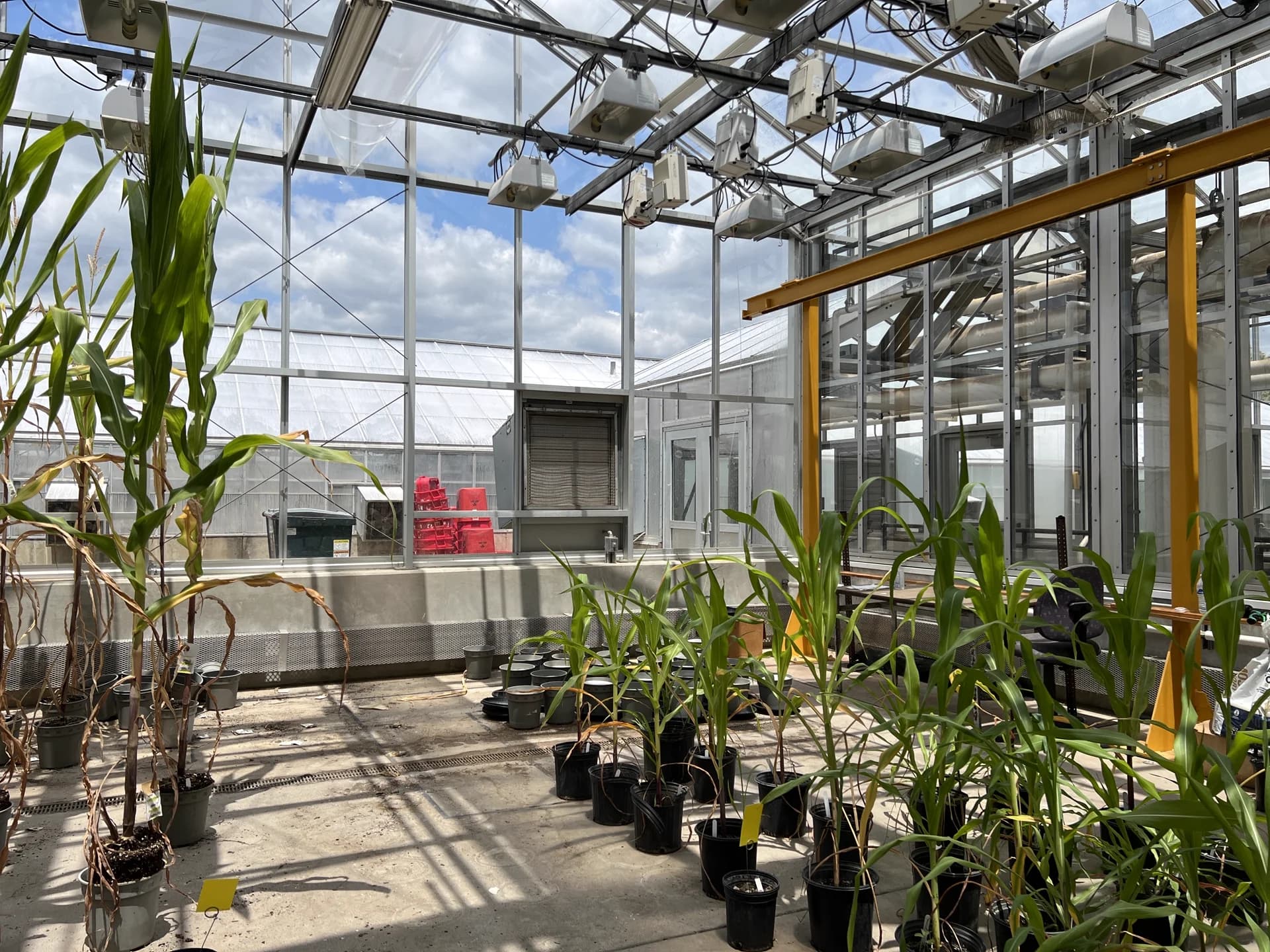
- The Biological Variance: Nature doesn't follow CAD tolerances. Corn leaves vary wildly in thickness and fragility from stem to tip. The existing rigid clamping mechanism risked crushing the very samples we needed to measure.
- The Manufacturing Bottleneck: The legacy handheld scanner was a "black box" of wires and glue—complex to assemble and impossible to repair in the field.
- The Market Disconnect: We needed to ensure that the data we were collecting actually solved a problem for farmers, not just researchers.
The Build
I operated as a Full-Cycle R&D Engineer, handling everything from mechanical design to customer discovery.
1. Engineering the "Soft Touch" (4-Bar Linkage) To solve the crushing issue, I moved away from direct-drive clamping.
- I designed and prototyped a 4-bar linkage system that provided mechanical compliance.
- This allowed the robotic end-effector to apply consistent pressure to the leaf regardless of thickness, ensuring high-quality scans without damage.
- Result: The mechanism is now standard in the Purdue Ag Alumni Seed Phenotyping Facility.
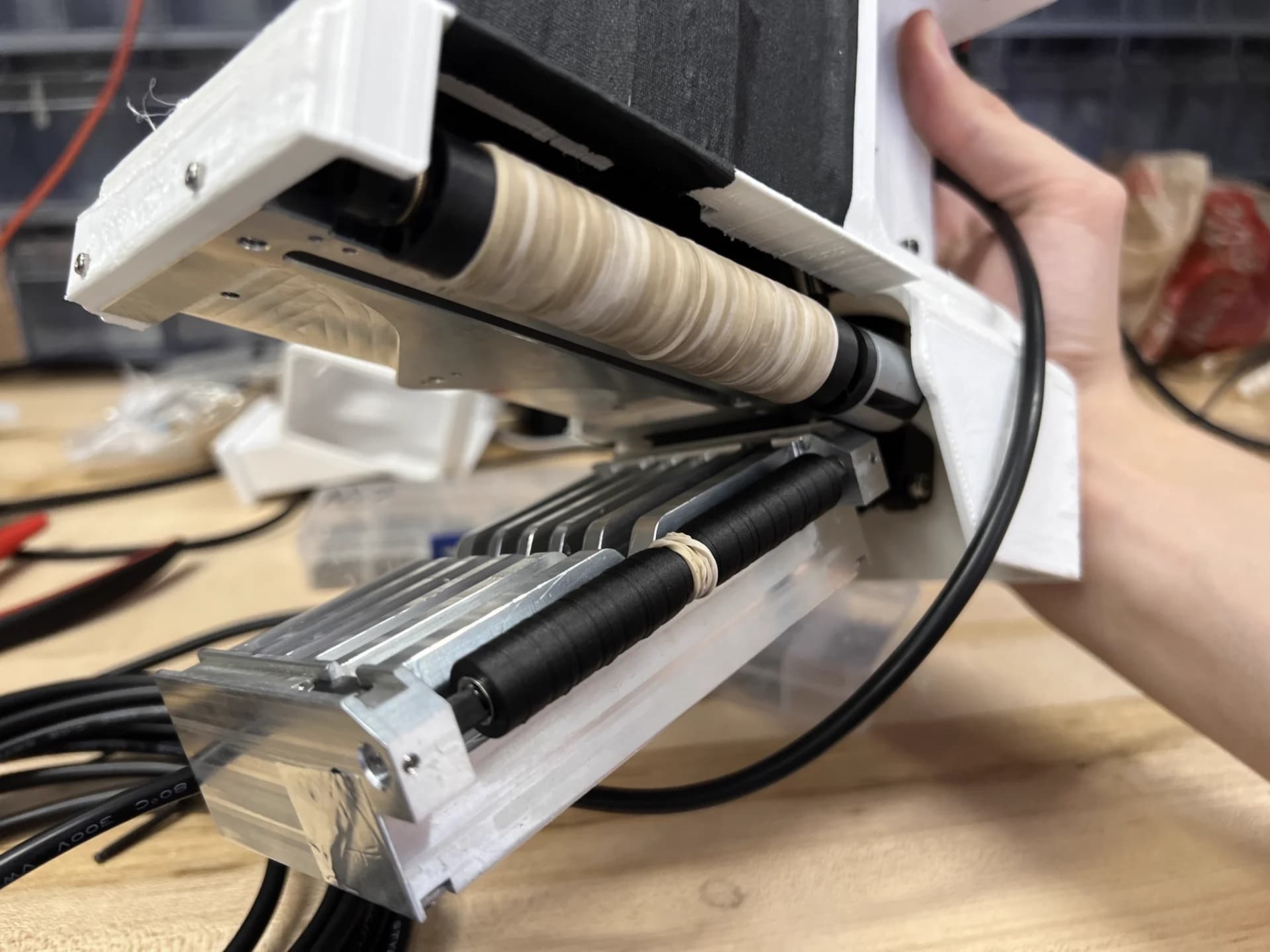
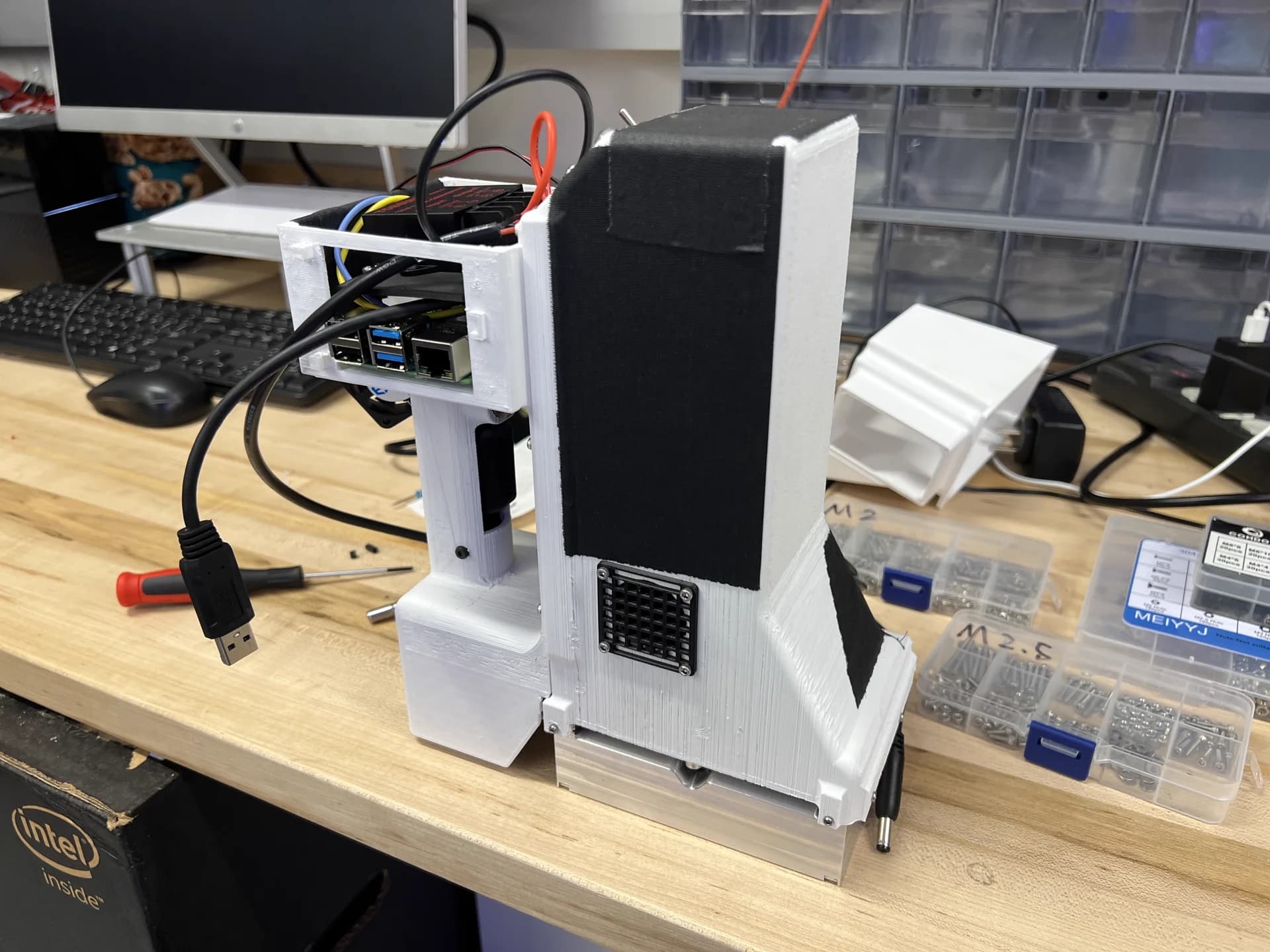
2. Optimizing for Production (DFM) I redesigned the handheld scanner casing in SolidWorks with mass manufacturing in mind.
- Reduced Part Count: Consolidated complex assemblies into single 3D-printed geometries.
- Assembly Speed: My redesign reduced assembly time by 25%, significantly lowering the labor cost per unit.
- Field Repairability: Designed the casing to be opened and serviced with standard tools, a critical feature for field deployment.
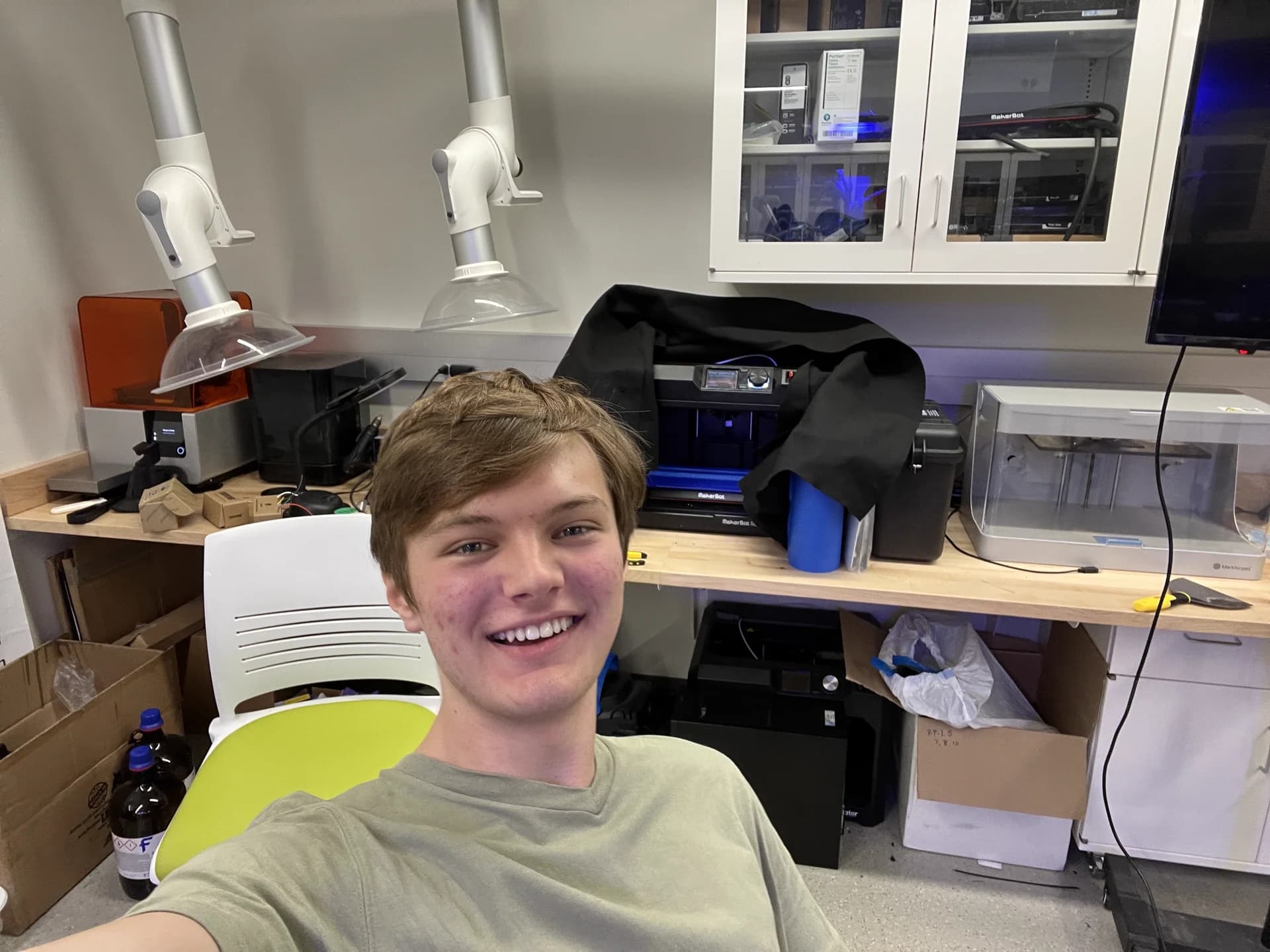
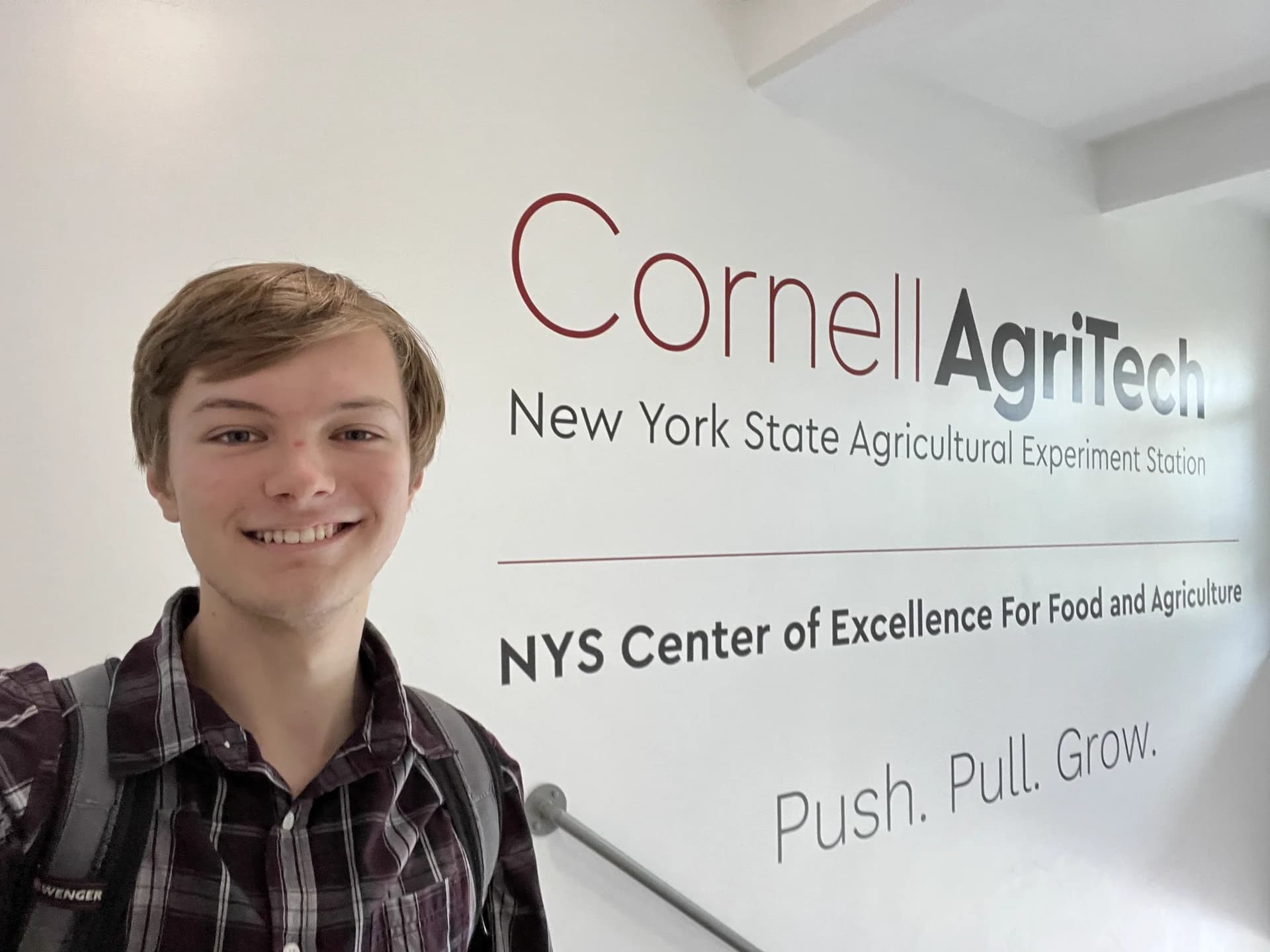
3. Validating the Market Engineering without customer data is just guessing. I traveled to Cornell University and the GrowNY summit.
- I interviewed farmers and startup founders to validate our value proposition.
- These insights shifted our engineering priority from "higher resolution" (which farmers didn't need) to "higher throughput" (which they desperately wanted).
The Outcome
This project wasn't just about building a better robot; it was about building a viable product.
- Operational Success: The adaptive clamping system enabled the first-ever high-throughput autonomous scanning of corn plots at Purdue, a process that was previously too delicate for robots.
- Commercial Viability: The 25% reduction in assembly time and the simplified BOM brought the device closer to scalable manufacturing.
- Strategic Impact: The market research I conducted directly influenced the roadmap for the next generation of LeafSpec devices, ensuring engineering resources were spent on features that customers would actually buy.